
Reverse Mortgage Study: 10 Powerful Insights from 1.1 Million Loans to Elevate Your REALTOR Business
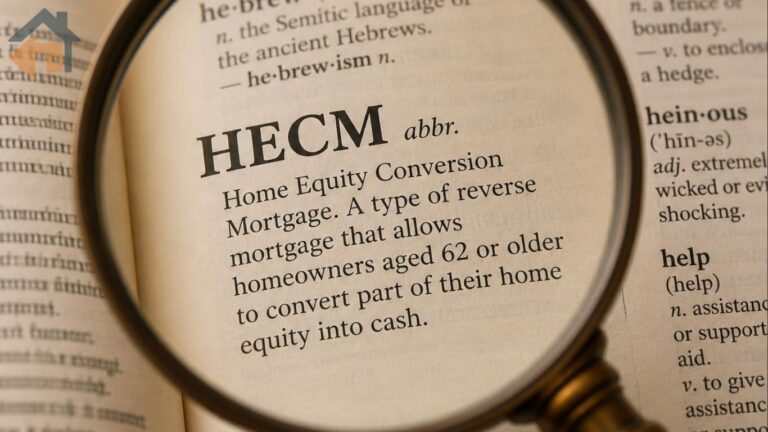
If you work with senior homeowners or want to build your senior homeowner business, you likely need to field basic questions about reverse mortgages. The Home Equity Conversion Mortgage (HECM, the FHA-insured version) program has been helping seniors age 62 and older tap into their home equity since the 1990s. A comprehensive 2022 reverse mortgage study from the U.S. Department of Housing and Urban Development examined 1.1 million HECM loans originated between 2000 and 2020, revealing important insights that can help you better serve your senior clients.
Here’s what the data tells us about reverse mortgages and the seniors who use them.
1. Your Clients Want Financial Relief, Not Luxury Purchases
When seniors take out a HECM, they’re solving real financial problems. More than half of borrowers who reported a single purpose said they needed additional income to cover everyday expenses. About one-third of borrowers in this reverse mortgage study used the loan to eliminate existing mortgage debt.
What this means for you: When senior homeowners tell you they’re struggling with monthly mortgage payments or living on a tight budget, a HECM conversation might be appropriate. These borrowers aren’t looking to fund vacations or buy luxury items. They need practical solutions to maintain their quality of life and stay in their homes.
2. “House Rich and Income Poor” Describes Most but Not All HECM Borrowers
The data in HUD’s reverse mortgage study paints a clear picture. Two-thirds of HECM borrowers had annual incomes below $33,000 (adjusted to 2026 dollars). Yet 43 percent owned homes valued over $330,000 (in 2026 dollars). This gap between home equity and available income creates the perfect scenario for a reverse mortgage.
What this means for you: Look for this pattern among your senior clients. A homeowner sitting on substantial equity but struggling to cover basic expenses might benefit from accessing that equity without selling their home. The HECM allows them to convert their home’s value into usable funds while continuing to live there.
3. The Typical Borrower Is a Younger Senior Living Alone
Forty-five percent of HECM borrowers in this reverse mortgage study were between 62 and 70 years old when they took out their loans. Sixty percent lived in one-person households. Most were unmarried, and women outnumbered men by more than two to one.
What this means for you: Your single senior clients in their 60s and early 70s represent the core HECM market. These homeowners often face financial challenges after retirement or the death of a spouse. They may have decades of life ahead but limited income to support those years. A HECM can provide the financial cushion they need.
4. HECM Loan Amounts Are Lower Than They Used to Be (For Good Reason)
Between 2009 and 2017, HUD reduced the Principal Limit Factor (the percentage of home value borrowers can access) four times. These changes were designed to reduce losses to the Federal Housing Administration and make the program more sustainable.
What this means for you: Your clients won’t be able to access as much equity as seniors could 15 or 20 years ago. However, this trade-off brings stability. The program is now financially sound, meaning it will be available for future borrowers. When discussing HECMs with clients, set realistic expectations about how much they can borrow based on their age, home value, and current interest rates.
5. Financial Assessments Protect Everyone Involved
Since 2015, lenders have been required to evaluate whether borrowers can afford ongoing property expenses like taxes, insurance, and maintenance. This financial assessment reduced defaults by 18 percent on average, according to this reverse mortgage study.
What this means for you: If your client already struggles to pay property taxes or homeowners insurance, they may not qualify for a HECM without a set-aside account (called a Life Expectancy Set-Aside or LESA). This requirement reduces the amount of equity they can access upfront, but it helps ensure they can stay in their home long-term. The assessment is a safety net, not a roadblock.
6. Accurate Appraisals Matter More Than Ever
Since October 2018, HUD has required second appraisals on some properties when the initial valuation appears questionable. According to this reverse mortgage study, this policy reduced appraisal values by an average of 3.5 percent and helped prevent overappraisals that can lead to loan losses.
What this means for you: Your client’s property may need additional scrutiny during the HECM application process, especially if the initial appraisal seems unusually high. This protects both the borrower and the lender. An inflated appraisal might seem helpful in the short term, but it can create problems down the road. Accurate valuations lead to better outcomes for everyone.
7. Depleting Funds Too Quickly Increases Default Risk
According to HUD’s reverse mortgage study, borrowers who made unscheduled withdrawals of at least $1,100 (in 2026 dollars) during the first five years of their loan were more than five times more likely to default than those who stuck to their original payment plan.
What this means for you: Help your clients understand that a HECM works best as part of a thoughtful financial strategy, not as an emergency fund to be tapped whenever money gets tight. Encourage them to work with a financial counselor (required as part of the HECM process) to develop a sustainable withdrawal plan. The loan provides flexibility, but that flexibility needs to be used wisely.
8. Geography Plays a Role in HECM Popularity
Seventy percent of HECM borrowers in HUD’s reverse mortgage study live in four census divisions:
- Pacific (including California, Washington, Oregon, Hawaii, and Alaska)
- Mountain (including Arizona, Colorado, and Nevada).
- South Atlantic (including Florida, Virginia, Maryland, and the Carolinas)
- Middle Atlantic (New Jersey, New York, and Pennsylvania), and
These regions generally have higher home values, making HECMs more attractive and accessible.
What this means for you: If you work in one of these high-concentration markets, HECMs should be a familiar tool in your real estate practice. If you work in other markets, awareness may be lower among both clients and fellow professionals, but the need still exists. Educating yourself about HECMs can set you apart and help you serve senior homeowners who might benefit from the program.
If you work in other markets, awareness may be lower among both clients and fellow professionals, but the need still exists. Educating yourself about HECMs can set you apart and help you serve senior homeowners who might benefit from the program.
Ready to take the next step? Download my comprehensive HECM for Purchase REALTOR Checklist to guide your clients through the process and position yourself as the go-to expert for senior homeowners in your market.
9. The Program Is More Stable Now Than During the Housing Crisis
The housing crash of 2008 hit the HECM program hard. Loans originated between 2006 and 2010 account for the bulk of losses to the FHA. However, the picture has improved dramatically. Approximately 80 to 90 percent of loans originated since 2013 resulted in net gains rather than losses for the FHA.
What this means for you: The policy changes implemented after the housing crisis worked. Today’s HECM program is more financially sound and sustainable than it was during the boom years. You can discuss HECMs with your senior clients knowing the program is on solid footing and likely to remain available for years to come.
10. Refinancing a Reverse Mortgage Can Be Expensive
Changes in how HUD treats nonborrowing spouses (implemented in 2014) led to a dramatic increase in refinancing. However, refinanced loans showed higher net losses, averaging an additional $16,000 (in 2026 dollars) per loan compared to original HECMs.
What this means for you: If a client with an existing HECM asks about refinancing, encourage them to proceed carefully. Refinancing might make sense in some situations (such as when home values have increased significantly or interest rates have dropped), but the costs can be substantial. Your client should work with a HUD-approved counselor and a trusted financial advisor to determine whether refinancing truly serves their best interests or whether other options might be more appropriate.
Building Your Business with HECM for Purchase
While the HUD study focused on traditional reverse mortgages, there’s another application that creates direct opportunities for REALTORS: HECM for Purchase. This program allows seniors to buy a new home using reverse mortgage financing without taking on a monthly mortgage payment. They make a substantial down payment (typically 40-60 percent of the purchase price), and the HECM finances the rest.
HECM for Purchase transactions help you serve clients who want to downsize or relocate but worry about affording a new mortgage on a fixed income.
These buyers have significant cash from selling their previous home but limited monthly income. Ready to guide clients through this process? Download our free HECM for Purchase REALTOR Checklist to position yourself as the go-to expert for senior homeowners making their next move.
The Bottom Line for Real Estate Professionals
Reverse mortgages serve an important purpose in the financial lives of many senior homeowners. Especially the HECM for Purchase allows people to access needed income, eliminate mortgage payments without selling their homes, and right-size into a safer, more accessible home. However, they’re not right for everyone, and they work best when borrowers understand the terms and use them as part of a broader financial plan.
As a real estate professional, you don’t need to become a HECM expert. You should, however, understand the basics so you can recognize when a client might benefit from learning more. The HUD study makes clear that policy changes over the past decade have strengthened the program while still serving seniors who are house rich and income poor.
When you encounter a senior homeowner who has substantial equity but limited income, who lives alone, and who may not benefit from remaining in their home, a HECM for purchase might be worth exploring. Encourage them to speak with a HUD-approved housing counselor (required before taking out a HECM), a HUD-approved HECM lender, and to involve trusted family members in the decision.
Your role is to recognize the opportunity, provide accurate information, and connect your clients with the resources they need to make informed decisions. The data shows that when used appropriately, reverse mortgages can provide real financial relief to the seniors who need it most, including those liable to become your next twofer clients.
This blog post is based on research from the U.S. Department of Housing and Urban Development’s “Home Equity Conversion Mortgage Program Analysis” published in July 2022. For more information about reverse mortgages and how they might benefit your senior clients, visit HUD.gov or consult with a HUD-approved housing counselor.
This post was written by the founder of HECMCoach.com, a HUD-certified and HECM-certified housing counselor and Accredited Financial Counselor (AFC) through AFCPE. The information in this post is educational and does not constitute financial or legal advice nor does it represent the views of the writer's employer. Readers should consult a licensed mortgage professional and a HUD-approved housing counselor with a HUD-approved housing counseling agency for guidance specific to their situation.